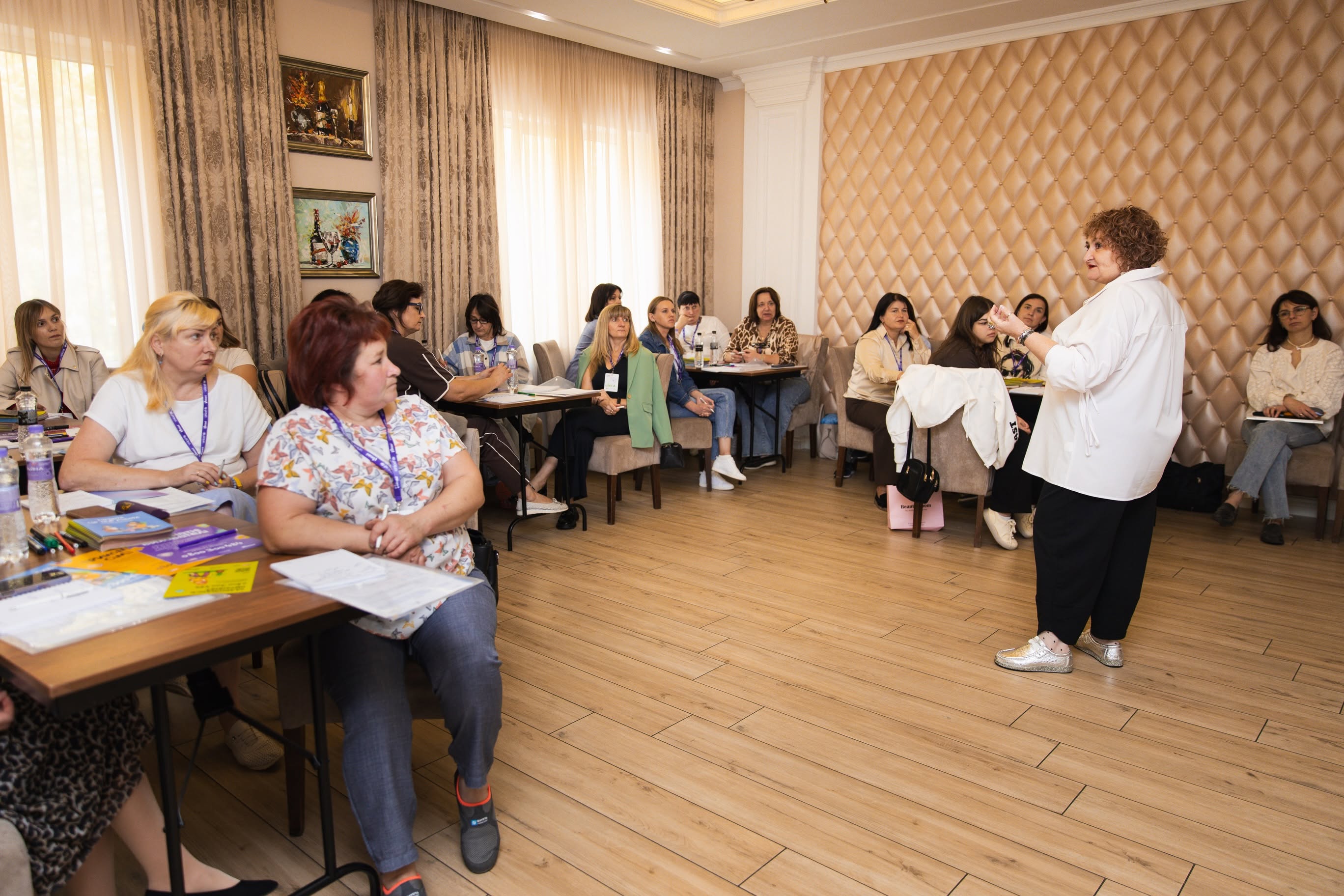


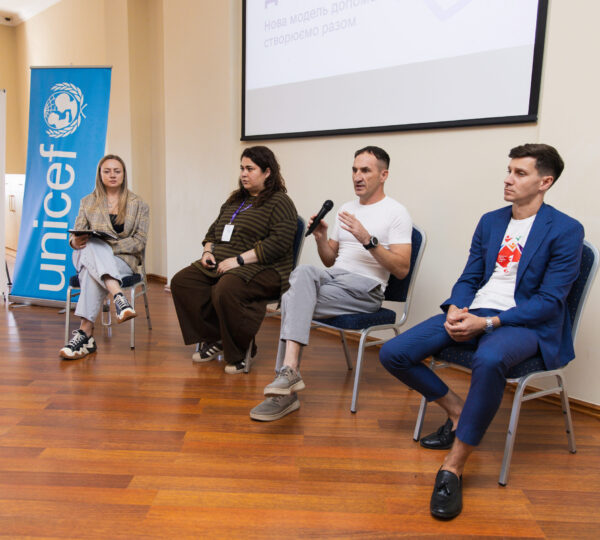
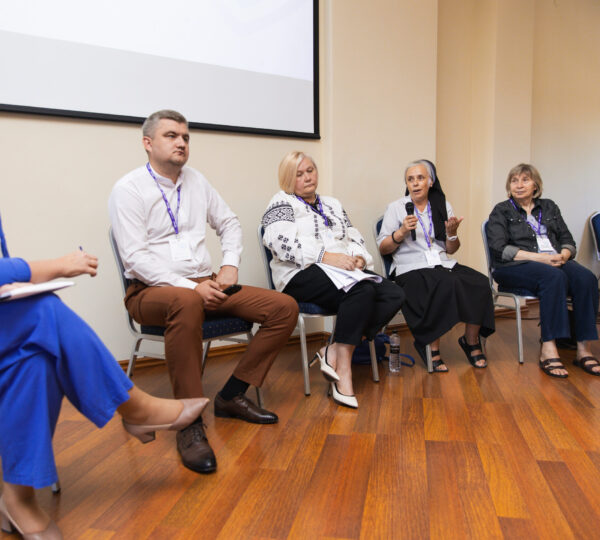
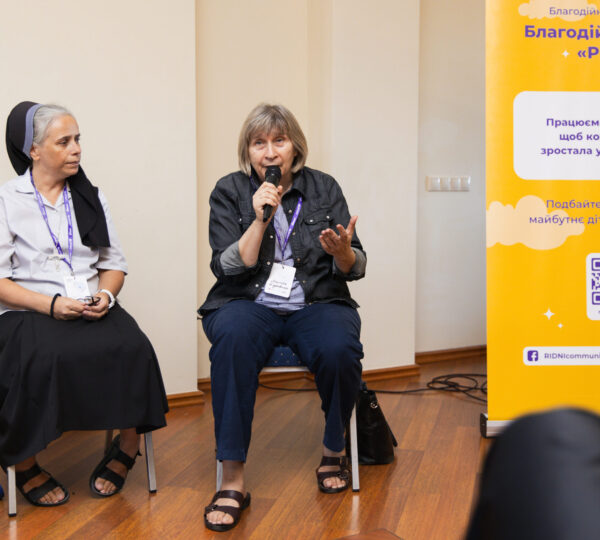
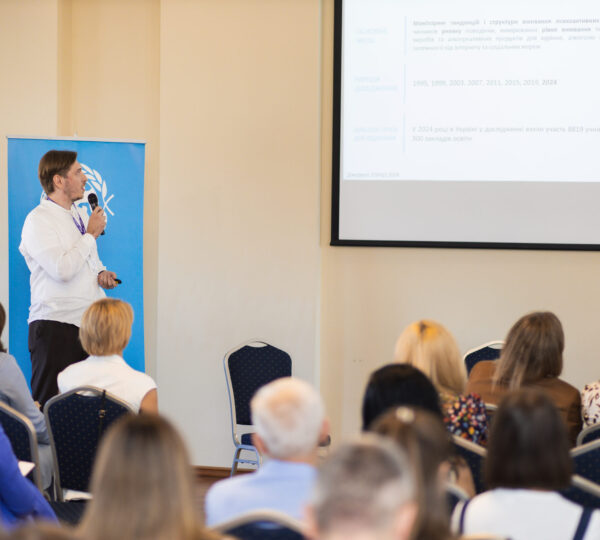
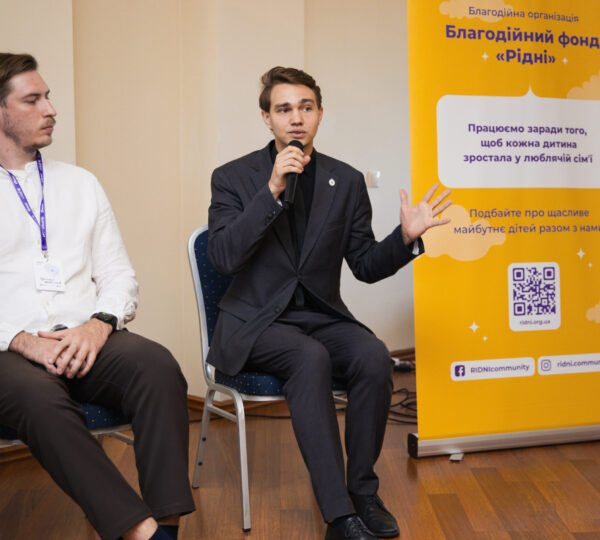
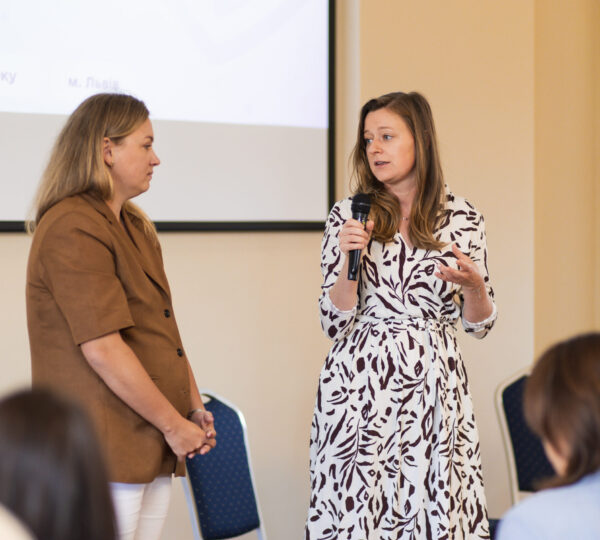
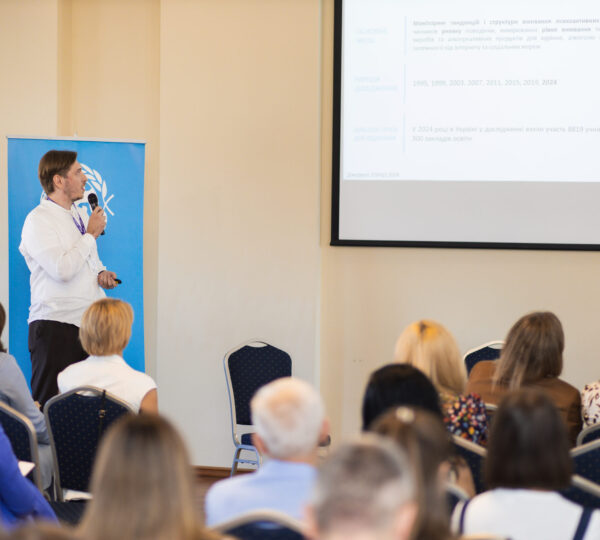
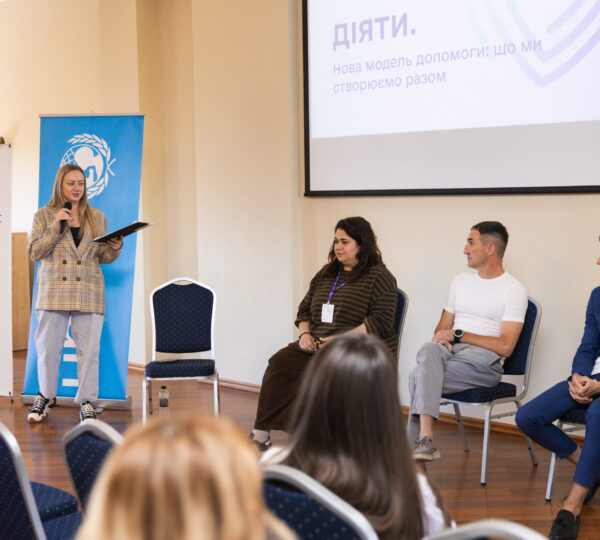
28 August, Lviv hosted a public dialogue, “See. Understand. Act.”, focused on prevention and social and psychological rehabilitation for adolescents with experience of psychoactive substance use. During the event, Ridni Foundation and its partners presented the work developed as part of a comprehensive support program for adolescents and discussed the next steps, including the establishment in Lviv of Ukraine’s first municipal rehabilitation center for adolescents with experience of psychoactive substance use.
The approach is built around early identification of risks and timely intervention, providing support to adolescents and their families before a problem becomes critical. At the same time, it is essential to ensure access to professional support for children who have already developed an addiction and need rehabilitation.
The Ridni team identified the need for such a system, in particular, through its work with the city’s requests to fund children’s rehabilitation at private centers.
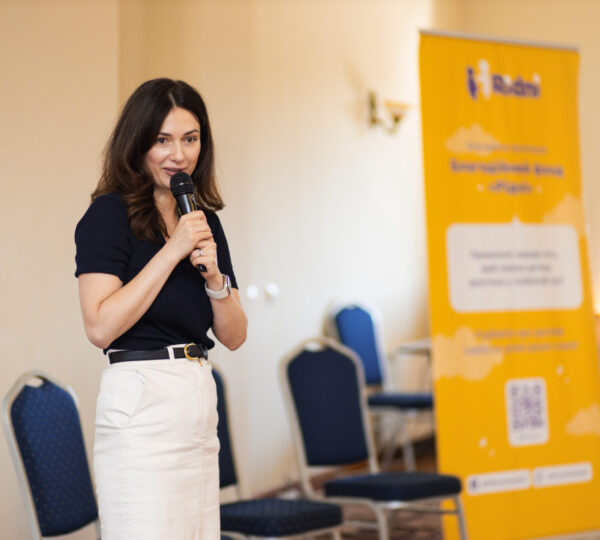
“While working with the city’s requests to fund children’s rehabilitation at private centers, we saw firsthand how complex, lengthy, and costly this process can be. For many families, this kind of support is simply unaffordable. At the same time, there is virtually no place in our community where adolescents can receive specialized rehabilitation. That is why we began working on a systemic solution — one in which access to support would not depend on a family’s financial circumstances or the support of donors,” says Mariana Romaniak, CEO of Ridni Foundation.
From Early Identification to Rehabilitation
Ridni Foundation, together with the Lviv City Council’s Children’s Services and its partners, is working on a comprehensive social and psychological rehabilitation program for adolescents with experience of psychoactive substance use.
The goal is to create a comprehensive pathway to support — from early identification of risks and family support to social and psychological rehabilitation, helping adolescents return to education, social life, and continued support.
Support should not be limited to inpatient rehabilitation. Adolescents who have experience of psychoactive substance use but do not yet require inpatient care may need specialist consultations, psychological support, and social support. This makes it possible to respond earlier rather than wait for the situation to escalate.
The next practical step should be the establishment in Lviv of Ukraine’s first municipal rehabilitation center for adolescents with experience of psychoactive substance use. It is intended to become part of a comprehensive support model that can later be adapted in other communities across Ukraine.
“See. Understand. Act.”
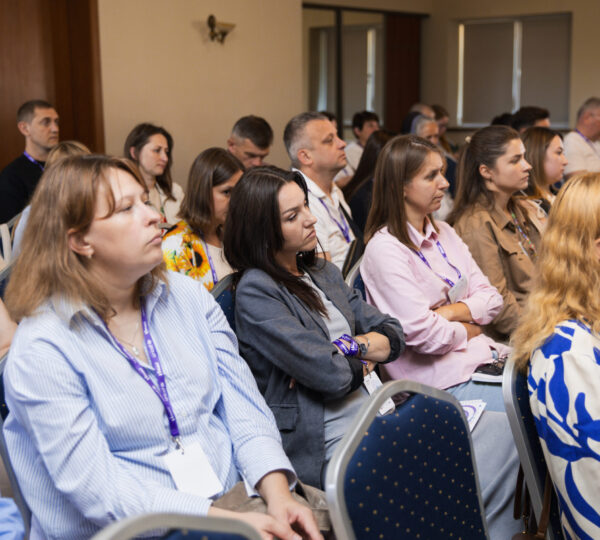
The public dialogue brought together representatives of local and national government, the healthcare, social services, and education sectors, civil society and international organizations, as well as professionals working with children and adolescents.
Participants discussed the scale and trends of psychoactive substance use among adolescents, factors that can contribute to addiction, the role of families and social environments, mental health, stigma, early identification of risks, and what a comprehensive support system should look like.
For Ridni, the “See. Understand. Act.” approach also reflects the logic behind the future model: see a child’s needs earlier, understand what they are going through, and have the capacity to provide the support they need in time.

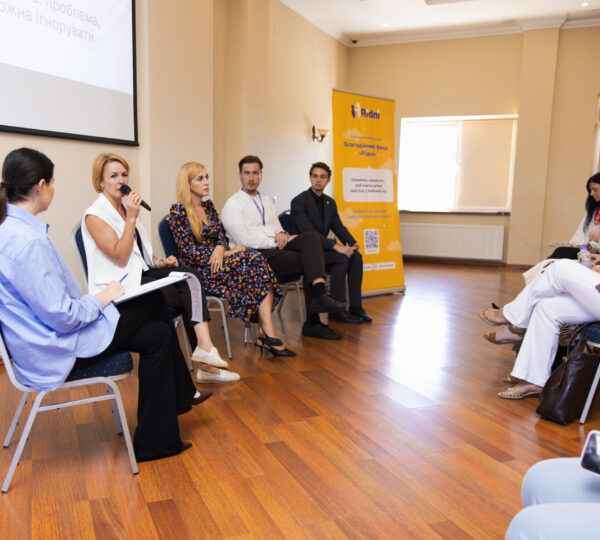
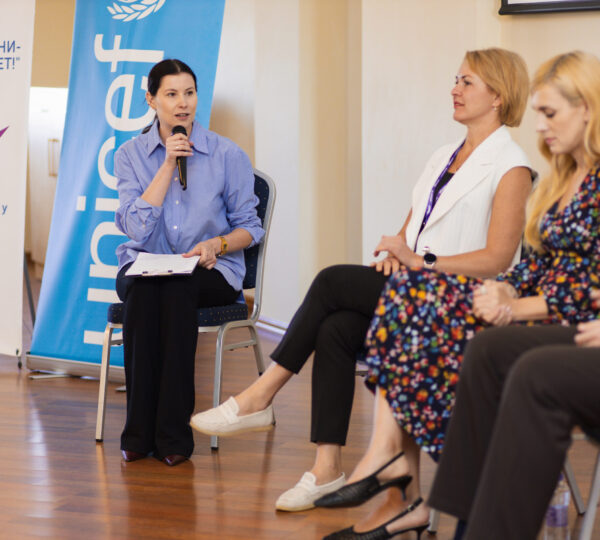
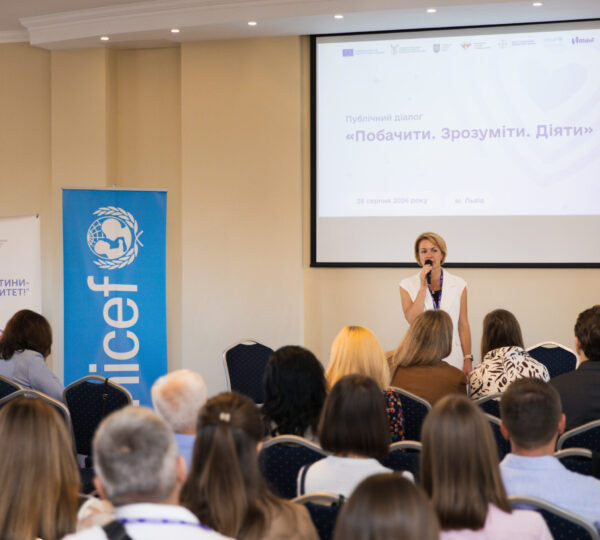
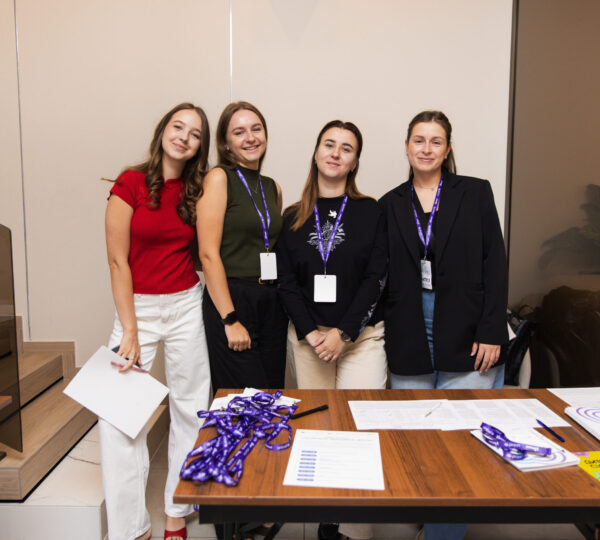
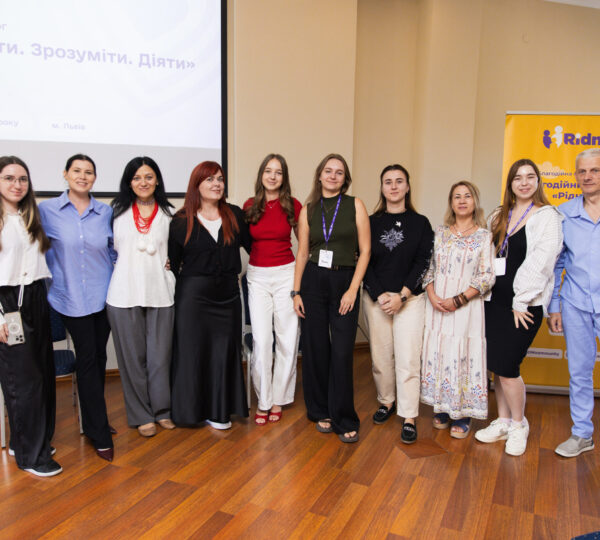
The public dialogue was organized by the Lviv City Council, the Children’s Services of the Lviv City Council, and Ridni Foundation, with the support of the Coordination Center for the Development of Family-Based Care and Childcare, the Public Health Center of the Ministry of Health of Ukraine, and UNICEF.