
Adoption in Ukraine remains one of the most reliable ways to ensure every child finds a loving family. It is more than just an act of care and responsibility; it is a conscious decision that requires an understanding of legal procedures, thorough preparation, and patience.
Despite the challenges brought by the war, the adoption procedure in Ukraine has been preserved and adapted to modern realities. The state prioritizes safety, the protection of children’s rights, and the transparency of the process.
In this blog, we will take a detailed look at how to adopt a child in Ukraine in 2026: the current step-by-step algorithm, the list of necessary documents for adoption, key stages of the process, and important nuances that prospective parents should keep in mind.
Who can become an adopter: key requirements
The fundamental requirements remain consistent and are defined by the Family Code of Ukraine.
Age requirements
- Minimum age: An adopter must be at least 21 years old.
- Age difference: The age gap between the adopter and the child must be no less than 15 years.
Health requirements
Potential adoption candidates are required to undergo a comprehensive medical examination. The goal is to ensure that the candidates’ health allows them to care for and raise the child without posing a risk to the child’s life or well-being.
Income and housing requirements
- Potential adopters must have a stable and legal income. The amount must be at least the subsistence minimum for each family member, including the future adopted child.
- Candidates must have their own or rented housing that meets sanitary and hygienic standards.
Mandatory training course
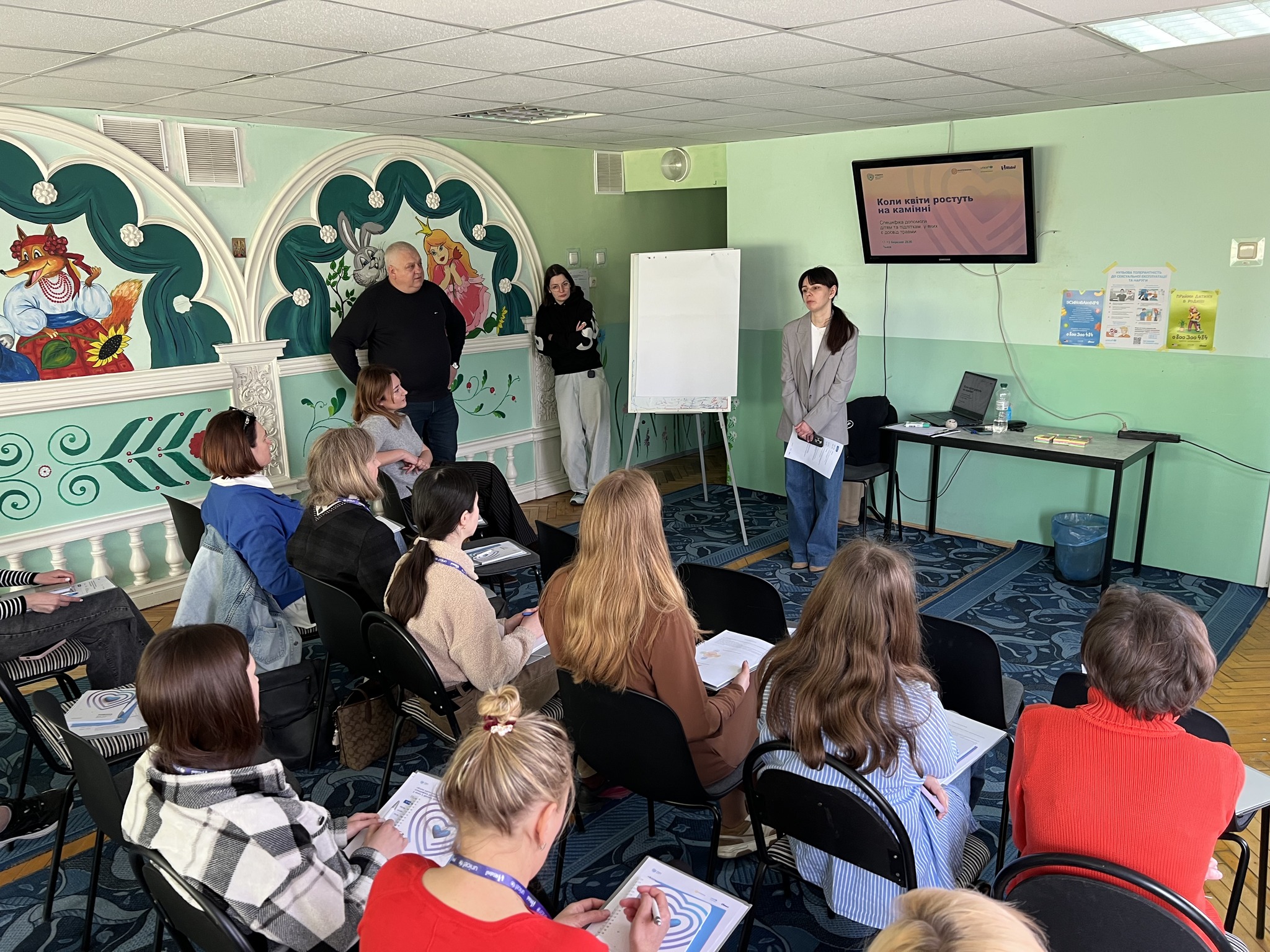
- Every potential adoption candidate (or both spouses in the case of a joint adoption) is obligated to complete a training course on raising orphaned children and children deprived of parental care. This training is organized and conducted by Social Service Centers at the candidate’s place of residence.
Completing this course is a mandatory condition for adoption. Upon finishing the training, candidates receive a Certificate of Completion, which is a required document for obtaining the status of an adoption candidate. Without this certificate, submitting documents and proceeding to the next stages of the adoption procedure in Ukraine is impossible.
Legal restrictions
Candidates must not belong to the categories of persons restricted under Article 212 of the Family Code of Ukraine.
It is crucial to note that, currently, only citizens permanently residing in territories under the control of Ukraine are eligible to adopt. Citizens staying in temporarily occupied territories or residing abroad (with the exception of the child’s relatives) cannot currently exercise the right to adopt through the standard procedure.
Furthermore, intercountry adoption remains suspended due to security concerns and the inability to ensure full oversight of children’s rights in other countries during the current period.
Who can be adopted
Children eligible for adoption include orphans and children deprived of parental care, provided they have the appropriate official legal status. This may include: infants, preschool and school-aged children, teenagers, and siblings.
In 2026, it is essential to consider the status of children whose parents are missing in action, held in captivity, or remain in occupied territories. In such cases, granting the child the appropriate legal status for adoption is carried out under specific regulations.
Documents for adoption in 2026
To become an adoption candidate in 2026, you must prepare a specific package of documents, which includes:
- Handwritten application addressed to the Children’s Services;
- Identity document (passport);
- Taxpayer identification number or information regarding its refusal;
- Document containing the Unique Record Number in the Unified State Demographic Register (if available);
- Proof of permanent income;
- Marriage certificate (for married applicants);
- Medical report issued in the prescribed form;
- Criminal record certificate (confirming the presence or absence of a criminal record);
- Document confirming ownership or right of use of housing;
- Notarized consent of the other spouse for the adoption (if the child is being adopted by only one of the spouses);
- Letter from the National Police regarding the presence/absence of records related to domestic or gender-based violence.
To simplify the adoption procedure, you can use the “Children” Unified Information and Analytical System and the Diia portal. Through these platforms, you can apply for a consultation (via the “Adoption” service), book an appointment, and have certain certificates generated automatically from state registers.
You can find the full adoption document checklist at the following link.
How to adopt a child in Ukraine in 2026: stages and procedures
Stage 1: Application and document preparation
The first step is to contact the Children’s Services at your place of residence or apply online via the Diia portal to declare your intent to adopt. At this stage, you submit your document package (passport, proof of income, criminal record certificate, etc.) and undergo a home visit to ensure your living conditions meet all requirements.
Stage 2: Training and candidate status
Prospective adopters are required to complete a training course at a Social Service Center. This is mandatory training where specialists assess your psychological readiness to become parents. Based on the results of the training and background checks, the Children’s Services issue a formal opinion on your eligibility to be adopters.
Stage 3: Introduction and establishing contact
Once registered as candidates, you enter the matching process. You gain access to information about children on the adoption registry, including their age, health status, and whether they have siblings.
In the 2026 context, it is important to note that teenagers, children with disabilities, and groups of siblings are the ones most in need of families (children under 6 make up less than 10% of the total). During this stage, you can:
- Collaborate with Children’s Services: Receive data about children from specialists at your place of registration.
- Be self-proactive: Personally monitor state online resources featuring children’s profiles.
- Establish first contact: After receiving a referral, you meet the child, build an emotional connection, and decide if you are ready to become their family.
Stage 4: Filing with the Court
At this stage, adoption candidates prepare a formal petition for adoption and submit it to the court in the district where the child resides.
Stage 5: Court ruling and finalization
The adoption is considered legally valid once the court ruling enters into force. The child’s legal status changes: they acquire the same rights as biological children, and their legal affiliation with the adopters is finalized.
Financial support for adopters and state guarantees in 2026
The state provides support to families who take this significant step. Adopters are entitled to adoption assistance, which is granted based on the court’s adoption decree. This assistance is provided independently of any other social benefits. If the adopters are a married couple, one of them is eligible to receive the aid.
The amount of this assistance is equal to the childbirth allowance and involves payments over a specific period, in accordance with current regulations for families with children. Additionally, adopters are entitled to adoption leave as provided by labor legislation.
Where to learn more about adoption in Ukraine
For the most current and verified information regarding adoption in 2026, we recommend monitoring official sources:
- The website of the Ministry of Social Policy of Ukraine.
- The Unified State Platform for adoption and family-based care.
- Your local Children’s Services.
Additionally, you can receive expert consultations on adoption via the Ridni Foundation hotline: 0 800 300 484 (weekdays from 10 AM to 7:00 PM).
Conclusion
Understanding the process of how to adopt a child helps prospective parents avoid unnecessary anxiety and plan their actions effectively. Adoption in Ukraine is a structured and legally protected process, yet it remains a deeply personal and challenging journey.
It is vital to carefully prepare your document package, pass the necessary background checks, and ensure you are emotionally ready to welcome a child into your family. While this path requires time, inner strength, and conscious responsibility, it is the very path that gives a child the opportunity for a stable, loving home and the chance for a bright future.