
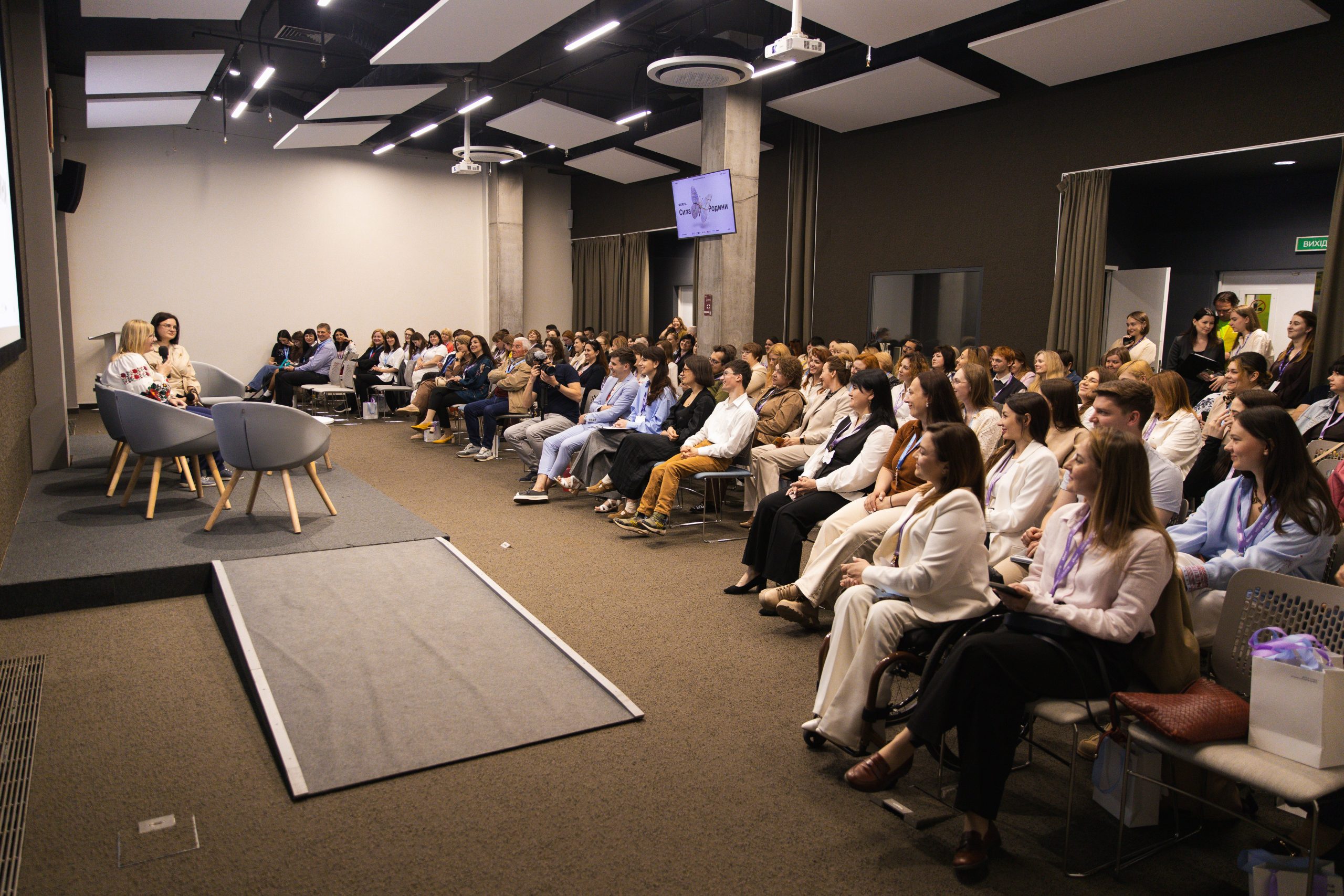
The Power of the Family Forum, dedicated to supporting children with disabilities and developing family-based care, took place in Lviv. During the event, participants discussed how communities can support families and why the child care system reform must continue even in times of war.
“Today’s mission for Lviv is to be open to the world and to demonstrate the examples we create here through hard work. This is so that communities across Ukraine do not just replicate this experience, but do even more and even better. I am very proud of all the families who have welcomed children into their hearts. When there is parental love and community support, it brings great hope for our nation,” emphasized Lviv Mayor Andriy Sadovyi during the opening of the forum.
“Lviv serves as an example of how to ensure children’s rights and develop a family support system. Together with our partners – the team from the Children’s Service and Ridni Foundation – we work to ensure that every child has support, assistance, and safety,” noted Nienke Voppen.
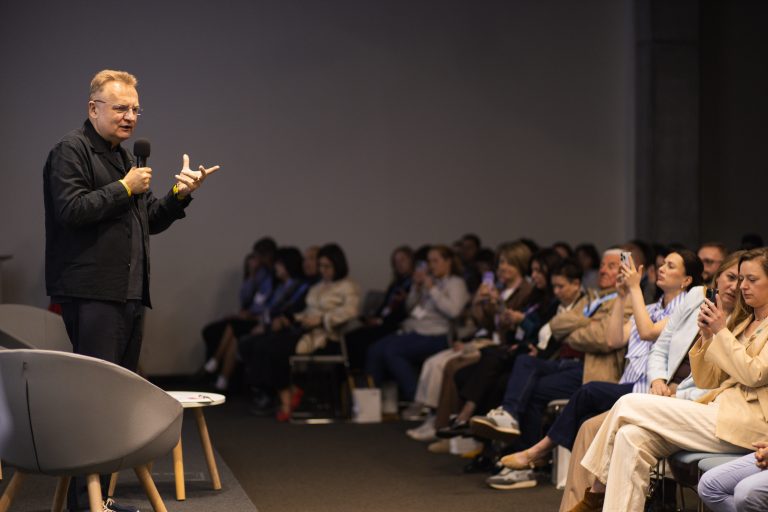
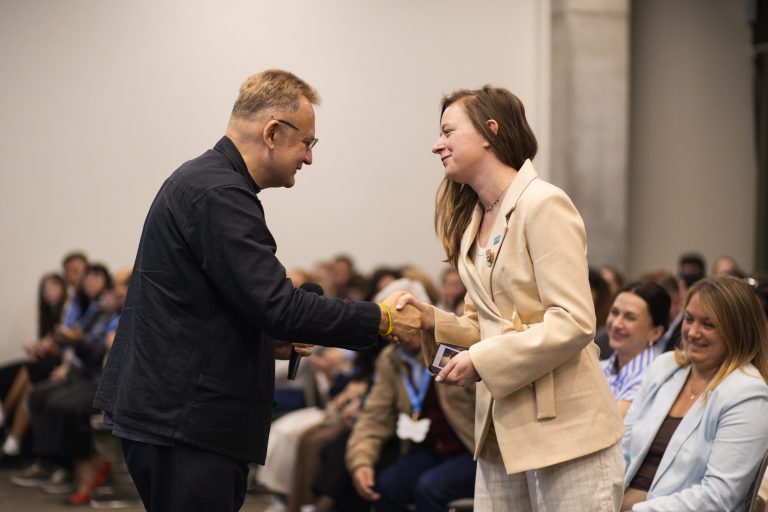
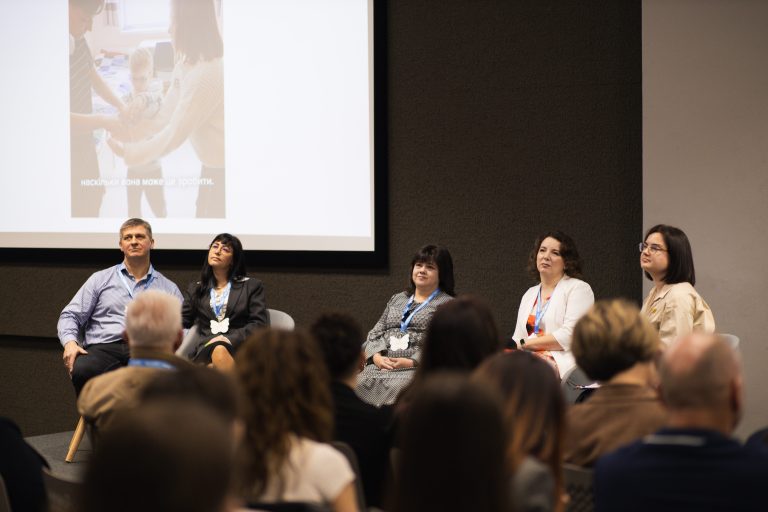
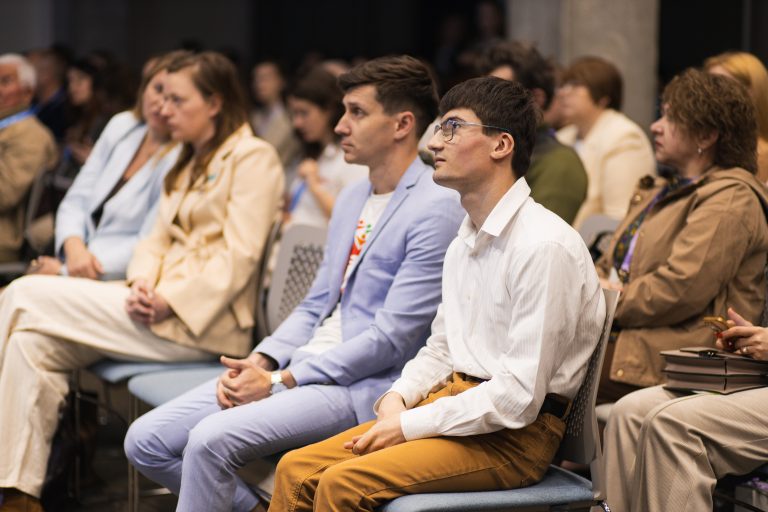
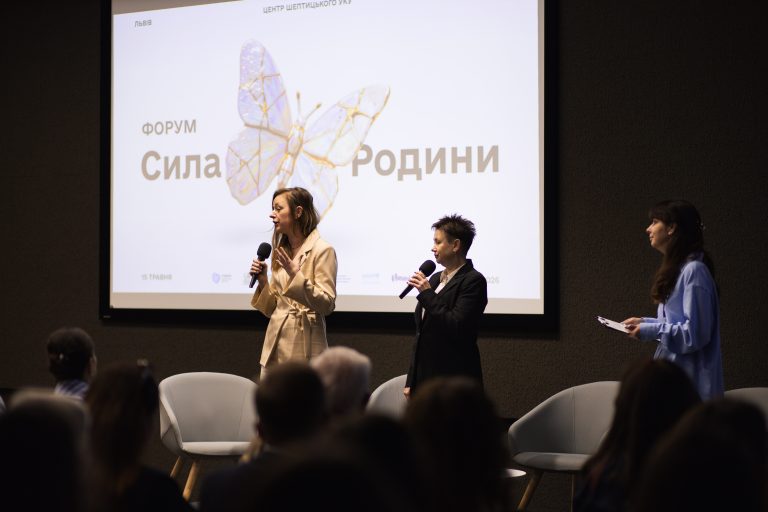
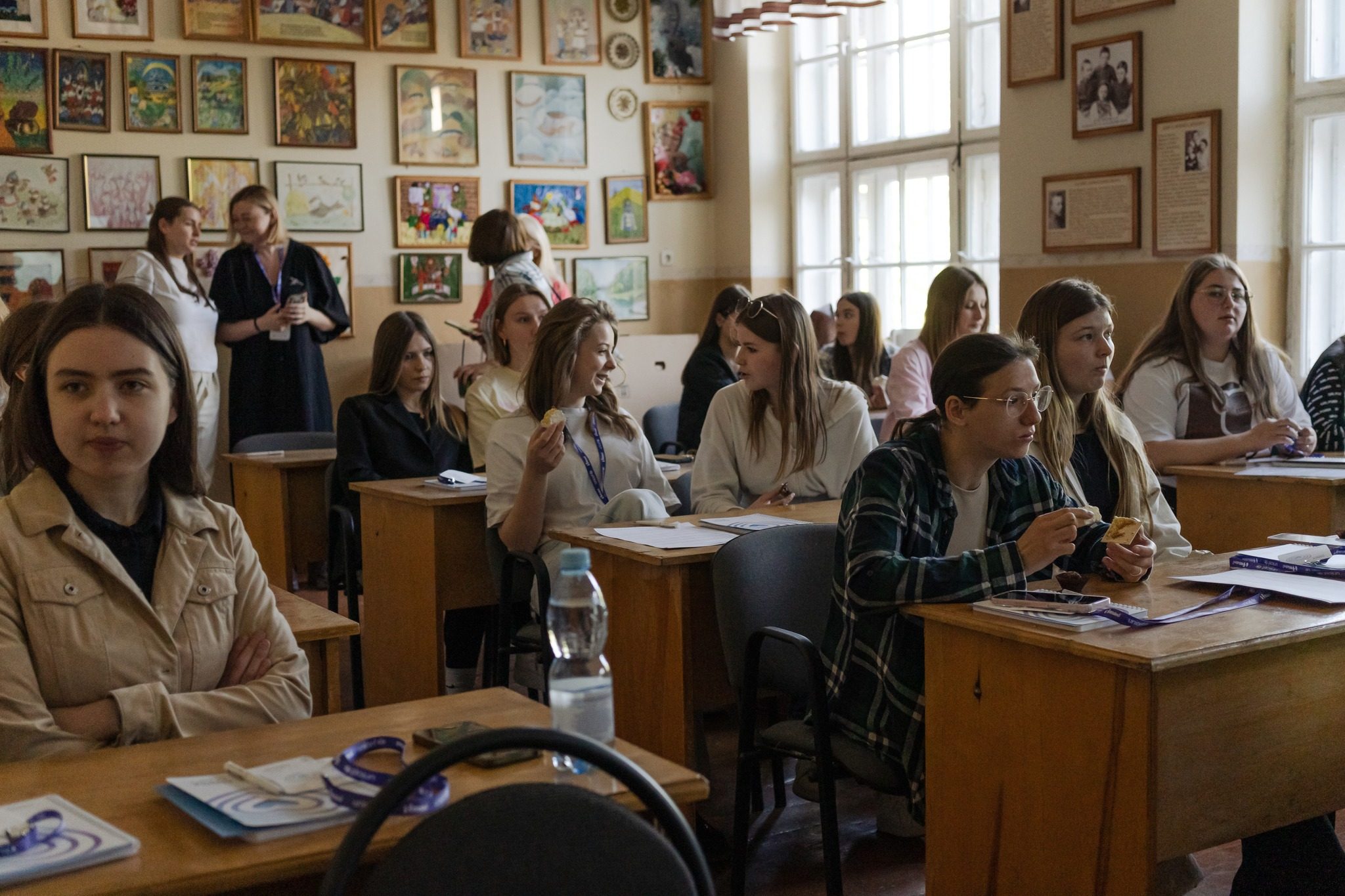
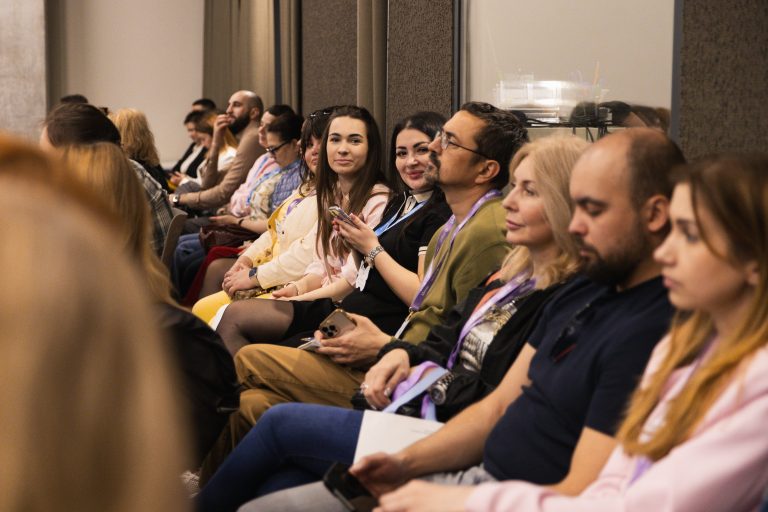
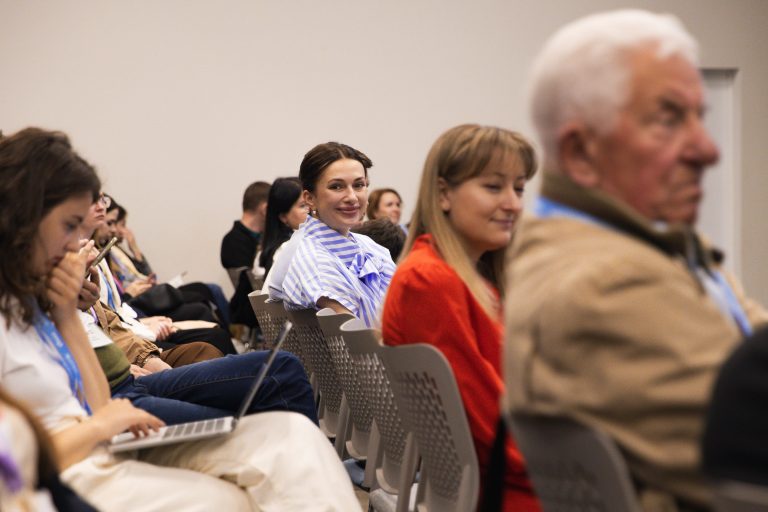
The forum gathered around 150 participants at the Sheptytsky Center, including representatives of state and local authorities, non-governmental organizations, international partners, specialists, and parents.
“This forum is dedicated to love. The love of parents for their children and the upbringing of children with disabilities. We discussed the synergy between government bodies, international institutions, foundations, and parents to ensure that more and more children have the opportunity to grow up in a family,” stated Mariana Romaniak, CEO of Ridni Foundation.
One of the key topics was comprehensive family support – ranging from early intervention and day care to psychological assistance for parents and child assistant services. Participants emphasized that families must not be left to face the challenges of raising children alone.
“We wanted to demonstrate that there is a positive experience of welcoming children with disabilities into families. If a community takes a responsible approach to supporting such families, they do not remain isolated with their challenges,” noted Volodymyr Frydrak, Head of the Lviv Children’s Service.
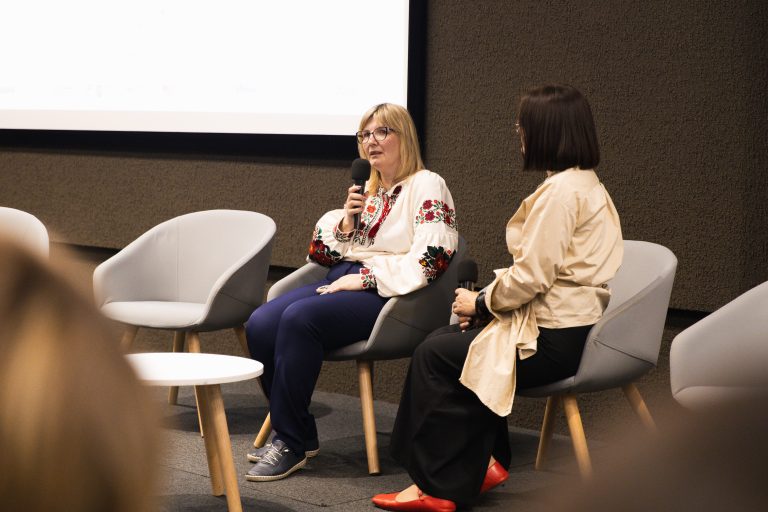
A separate discussion during the forum focused on supporting foster parents and family-type homes. Panel participants highlighted family camps, weekends for mothers, and married couples as effective tools that help restore personal resources and well-being.
“I very often hear, ‘You knew what you were getting into.’ But in reality, no one fully knows what they will have to face. A person must understand where they can find support and restore their resource – whether through close people, psychologists, or rest,” shared Yana Korol, a foster mother from a family-type children’s home.
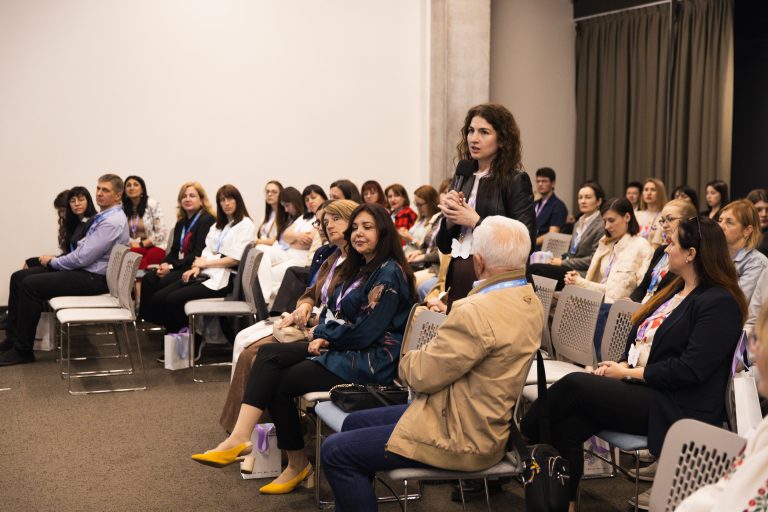
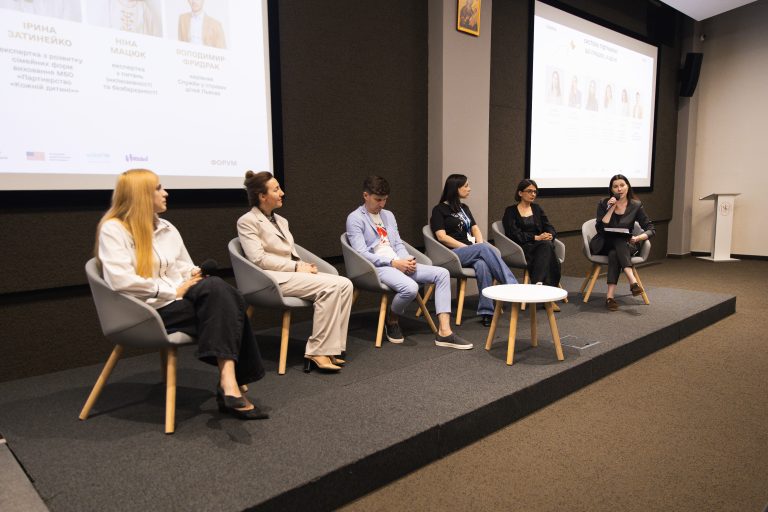
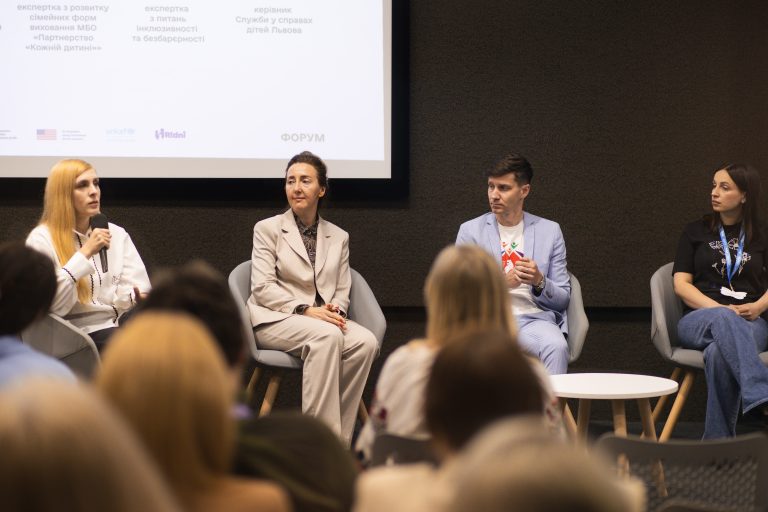
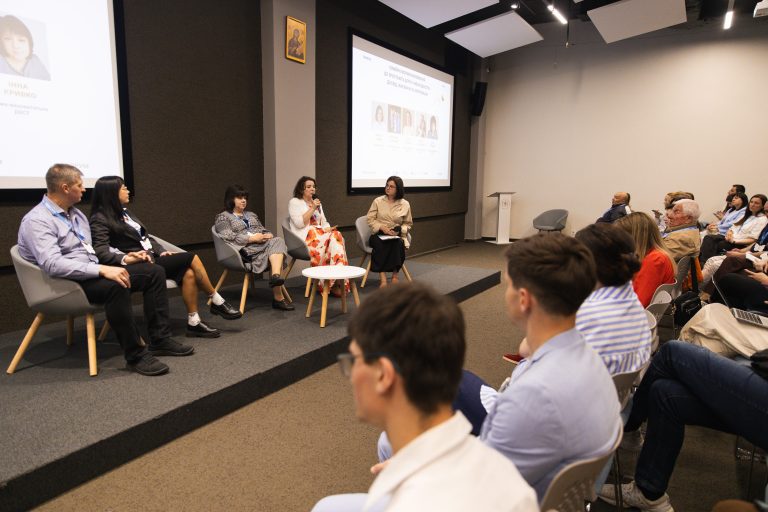
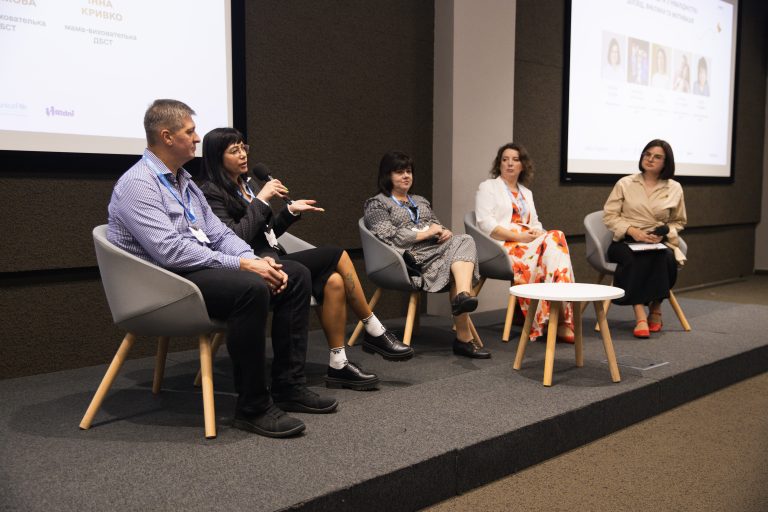
Inclusion was another vital topic of the forum, viewed not only as creating a barrier-free space but also as ensuring children’s access to education, culture, and full participation in society.
Forum participants emphasized that the care and child support system reform must continue even under wartime conditions. Its ultimate goal is to ensure that as many children as possible grow up in families rather than institutional care facilities.
The forum was organized by the Lviv City Council, the Lviv Children’s Service, and Ridni Foundation in cooperation with UNICEF, with financial support from the US Government.